Leopard geckos (“leos”) are widely considered the perfect beginner reptile. They are hardy, rarely bite, come in stunning colour “morphs”, and lack the sticky toe-pads of other geckos, meaning they won’t escape up the glass. Here is how to create the perfect UK habitat based on 2026 best practices.
Vivarium Setup
Leopard geckos are terrestrial (ground-dwelling). While they do climb low rocks, they need floor space more than height.
- Size: A minimum of 60cm x 40cm x 30cm (2ft x 1.5ft x 1ft) is required, but a 90cm (3ft) wooden vivarium is vastly preferred as it allows for a proper temperature gradient.
- Substrate: To eliminate the risk of impaction (swallowing substrate that causes a blockage), many keepers use rough slate tiles, paper towels, or specialized reptile carpet. If using loose substrate, a specific arid soil/sand mix (like Arcadia EarthMix Arid) is preferred over pure calcisand.
- The Three Hides: You must provide at least three hiding spots:
- A warm hide over the heat source.
- A cool hide at the opposite end.
- A humid hide (a plastic box with a hole cut in it, filled with damp sphagnum moss). This is essential for helping them shed their skin cleanly.
Temperature & Heating
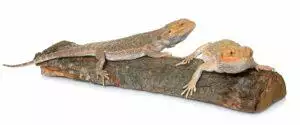
Unlike bearded dragons that bask in intense light, leopard geckos are crepuscular (active at dawn and dusk) and historically absorb heat through their bellies from rocks warmed by the sun.
- Heating Options: A heat mat covering 1/3 of the floor space is the traditional method. However, modern husbandry is shifting toward Deep Heat Projectors (DHPs) or ceramic bulbs, which warm the ambient air and penetrate deep into the muscle tissue more effectively than a mat.
- Temperatures: The warm end (basking zone) should be 28–30°C (82-86°F). The cool end should be around 24°C (75°F). Nighttime drops to 18-20°C are fine.
- Safety: Every heat source—especially a heat mat—must be connected to a thermostat. An unregulated heat mat can easily burn a gecko’s sensitive belly.
Diet & Supplementation
Leopard geckos are strict insectivores. They do not eat plants, fruit, or vegetables.
- The Staples: Brown crickets, locusts, mealworms, and calciworms.
- The Treats: Waxworms (very high in fat; feed rarely, as geckos can become addicted and refuse other food).
- Feeding Schedule: Juveniles eat 5-7 insects daily. Adults (over 1 year) eat 5-7 insects every other day.
The Vital Importance of Dusting
Captive insects do not contain enough nutrients on their own. You must “gut-load” the insects (feed them carrots/greens for 24 hours before using them) and use supplements.
- Keep a small bottle cap filled with pure, plain calcium powder in the vivarium at all times for the gecko to lick.
- Dust their live food with a high-quality Multivitamin/Calcium powder (e.g., Nutrobal or Arcadia EarthPro-A) right before feeding. If you do not use low-level UVB lighting, you must use a powder containing Vitamin D3 so they can process the calcium.
Handling and Tail Dropping
Never pick a leopard gecko up by its tail. As a defense mechanism, they can “drop” (sever) their tail if they feel threatened. While it will slowly regrow, the new tail will never look identical, and the process is stressful and depletes their fat reserves.
Frequently Asked Questions
Are leopard good pets for beginners?
Leopard geckos (“leos”) are widely considered the perfect beginner reptile. They are hardy, rarely bite, come in stunning colour “morphs”, and lack the sticky toe-pads of other geckos, meaning they won’t escape up the glass. Here is how to create the perfect UK habitat based on 2026 best practices.
What should I know about Handling and Tail Dropping?
Never pick a leopard gecko up by its tail. As a defense mechanism, they can “drop” (sever) their tail if they feel threatened. While it will slowly regrow, the new tail will never look identical, and the process is stressful and depletes their fat reserves.