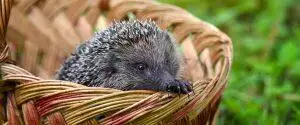
The UK’s beloved hedgehog population has plummeted dramatically in recent decades, leading them to be officially classified as vulnerable to extinction. The primary drivers are habitat loss, road accidents, and the intensive use of garden chemicals. However, ordinary gardens can serve as vital sanctuaries if managed correctly.
What to Feed a Hedgehog (and What to Avoid)
Hedgehogs are primarily insectivores, naturally hunting beetles, caterpillars, earthworms, and slugs. During busy breeding seasons or preceding winter hibernation, supplementary feeding can literally be a lifesaver.
Safe Foods:
- Meat-based wet dog or cat food (chicken or turkey flavours are often preferred).
- High-quality kitten biscuits. The smaller kibble size is easier for them to crunch, and biscuits are good for keeping their teeth clean.
- Specialist Hedgehog Food.
- Fresh, shallow water. This is just as important as food. Leave shallow bowls out, especially during hot summer droughts.
Dangerous Foods (Never Feed):
- Milk: Hedgehogs are highly lactose intolerant. Milk causes severe diarrhea, leading to fatal dehydration.
- Bread: It holds zero nutritional value and fills their small stomachs, preventing them from foraging for vital nutrients.
- Large quantities of Mealworms or Peanuts: While once popular, excessive mealworms cause a severe calcium-to-phosphorus imbalance resulting in Metabolic Bone Disease, rendering them unable to walk.
The “Hedgehog Highway”
A hedgehog can travel up to 3 kilometres (almost 2 miles) every single night searching for food and mates. Solid wooden fences and brick walls trap them, forcing them out onto dangerous roads.
The greatest gift you can give a local hedgehog is a Hedgehog Highway. This is simply a 13cm x 13cm (5 x 5 inch) hole cut into the bottom of your garden fence. Speak to your neighbours and coordinate holes across multiple gardens to open up a vast, safe foraging territory.
Lethal Garden Dangers
1. Slug Pellets
While the highly toxic metaldehyde slug pellets were fully banned in the UK in 2022, even the newer ferric phosphate pellets pose indirect risks. Eradicating slugs and snails with chemicals removes a significant portion of a hedgehog‘s natural prey base, forcing starvation. It is far better to encourage hedgehogs, frogs, and birds into the garden as natural, biological pest control.
2. The Strimmer Threat
When a hedgehog is terrified, it doesn’t run away; it curls into a tight, spiked ball. This defense mechanism is useless against a petrol strimmer or lawnmower. Every year, wildlife rescues are overwhelmed with horrific, often fatal, injuries caused by gardeners strimming long grass or overgrown weed patches. Always sweep through long grass with a broom handle to check for sleeping hedgehogs before starting up machinery.
3. Hidden Hazards
- Ponds: Hedgehogs are decent swimmers but will die of exhaustion if they cannot climb out. Ensure every pond has a gently sloping ramp made of wood or chicken wire.
- Netting: Garden netting (like strawberry nets or unused football goals) should be kept taut or raised a foot off the ground. Loose netting easily tangles around their spines.
- Bonfires: A pre-built unlit bonfire looks exactly like a luxurious five-star hotel to a hedgehog seeking a nesting site. Always move the pile of wood to a new spot immediately before lighting it.
Reviewed by Dr. Sarah Jenkins, MRCVS
Dr. Jenkins is a fully practicing veterinary surgeon in the UK with over 15 years of clinical experience in small animal medicine and canine behaviour. She reviews and verifies our health content to ensure medical accuracy.