It’s widely accepted that our cuddly guinea pig pals are just about the cutest creatures in the world, and so it’s no wonder that they are one of the most popular choices of domestic pets in the UK.
- FACTFILE
- IMPORTANT THINGS YOU NEED TO KNOW
- WHERE TO BUY A GUINEA PIG
- CHOOSING YOUR GUINEA PIG
- •Health
- •Age
- •Sex
- •Handling
- •Breeds
- ENVIRONMENT
- •Housing
- •Outdoor Housing
- •Indoor Housing
- •Entertainment & Exercise
- •Bedding Materials
- •Temperature & Conditions
- •Keeping Companions
- •Cleaning
- DIET
- •Safe Fruit & Veg
- •Essential Vitamin C Foods
- •Poo Eating – Is It Normal?
- •Foods To Avoid
- HEALTH
- •Spotting Symptoms & Health Checklist
- •Teeth
- •Hair Grooming
- •Flystrike
- •When To Go To The Vet
- Updated Guidance (2026)
- The Vitamin C Requirement
- Must Live in Pairs or Groups
- Housing
- Diet — 80–90% Hay
- FAQs
- •What are the most common guinea pig health problems?
- • 📚 Related Reading
Although sensitive creatures, their adorable quirks have always been beloved by young children, and so many families choose to purchase one as a first pet for their child and an introduction to animals at home.
However, looking after one is far from child’s play, and there is quite a lot to learn before you purchase a new wee little squeaker!
Sadly, a lot of misinformation still exists about the care of guinea pigs, and so many new piggy owners are given the wrong advice when it comes looking after a fluffy friend.
So to help you avoid running into any issues, we’ve put together this in-depth, trustworthy guide, to clue you up on everything you need to know on guinea pig caregiving!
FACTFILE
- Lifespan: 4 to 8 years
- Average Height: 20 – 50 cm
- Average Weight: 850 – 1000 g
- Popular Breeds: Skinny (Hairless), Abyssinian, Teddy, Texel, America, Merino (Standard breed)
- Diet: Fresh Hay, Leafy Vegetables, Fruits, Guinea Pig Pellets
- Origin: South America
IMPORTANT THINGS YOU NEED TO KNOW
Before you decide you really want a guinea pig, you need to consider these important caregiving factors:
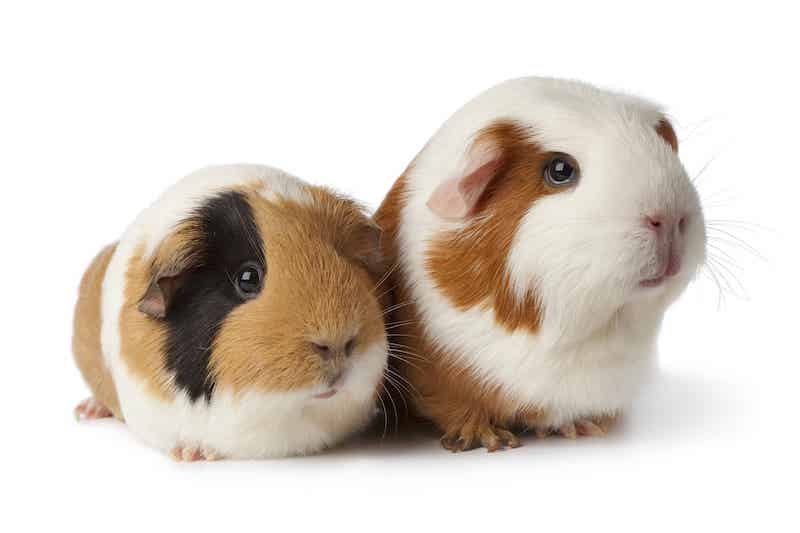
- Guinea Pigs are social animals – They need to be paired up with one other piggy at least, as in the wild they can live with up to 10 others!
- Guinea Pigs can live up to 8 years (or more!) – Make sure you are prepared for a long commitment to your pet.
- Guinea Pigs need space – Your little pigs will need a lot of room, so make sure you have sufficient space in your house, garden or yard for keeping a cage or hutch with added runs.
- Guinea Pigs aren’t always quiet! – Although appearing quiet and unassuming, guinea pig squeals can occasionally stir up one heck of a racket! So if your neighbours are the unforgiving, complaining type, guinea pigs may not be the best idea.
- Guinea Pigs are sensitive – When moving into a new home, little pigs may be nervous or sensitive at the prospect of being handled. Adult owners and especially children must take care when handling them to ensure they become tamed quickly.
- They need lots of Vitamin C – Guinea Pigs are unable to manufacture their own Vitamin C and so need to be fed a diet rich in it as well as be given regular Vitamin C supplements.
- Your Guinea Pig may need neutering – If you’re planning on keeping male and female pigs in the same pen, you’ll need to have your male neutered to prevent unwanted babies. But beware, it can take up to four weeks for them to become sterile after the operation!
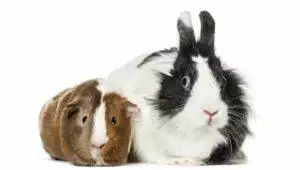
- They aren’t rabbits – Even though they both live in hutches, it is not a smart idea to house guinea pigs and rabbits together! Rabbits do not warm to guinea pigs and may well attack them or injure them if kept in the same enclosure.
WHERE TO BUY A GUINEA PIG
Once you’re sure guinea pigs really are the pet for you, your next question is probably where to buy one from. Thankfully, guinea pigs are a widely available animal and can be bought from many pet shops, breeders and rescue shelters.
We would recommend contacting local animal shelters first, as there’s no question that the best thing you could do is rehome some unwanted little guinea pigs!
If you’re looking for a specific rarer breed, your best bet is to go with a breeder who will likely have a lot of knowledge about the various breeds of guinea pigs and will hopefully have trained, tamed and treated them kindly if they are a responsible breeder.
However, you need to make sure that whoever you buy your guinea pigs from is reputable, and that they’ve housed the animal correctly before they come home with you.
This is because guinea pigs living in poor conditions could easily be carrying illness or infection, which would cause you and your family needless distress or grief should you purchase a suffering animal.
More commonly, they also may not have been separated properly by sex, which could mean a lot of breeding has occured, and you may be purchasing an already pregnant animal.
In regards to breeders and shelters, it’s unlikely they would raise or keep guinea pigs in conditions which would be detrimental to their health, but for certain pet shops who are housing tons of animals at one time – the same level of care potentially might not be given.
Therefore, when buying any guinea pig you should always ensure that you come and view their current premises first hand to check they are being given proper care, and you should avoid ever buying one blind over the internet!
When choosing your pigs, be sure to check the potential pets have been separated correctly by gender and that the seller actually knows how to correctly determine the sex of a pig.
Then observe whether they are being given clean water and food and that their habitats don’t appear dirty.
You obviously also want to be suspicious of any groups of guinea’s who look unwell or are too young to be in the care of a pet owner.
CHOOSING YOUR GUINEA PIG
Health
Before choosing your little pipsqueaks, you first need to make sure they are in good health and ready to be given a new home.
Healthy guinea pigs should have been bred and raised in a clean environment that has plenty of space, with good access to food and water. So if you’re witnessing anything other than that upon purchase from a seller, your alarm bells should already be ringing!
If you can, make sure you examine guinea pigs personally before making any firm decisions.
First, check the pig’s skin for any ominous lumps and bumps and make sure their coat is fluffy, smooth and free of bare patches. Then assess whether there are any weight issues, such as them being too fat or too skinny, and be sure to also observe their rear end for any signs of soiling or diarrhoea.
Although slightly more difficult to assess, you should also observe whether they’re teeth are overgrown and that it’s breathing is quiet and easy.
All in all, you want to pick piggies that are displaying an active attitude around the enclosure, moving around without stiffness or lameness. If possible, also try and single out squeakers who don’t seem anxious or upset by the approach or touch of humans.
However, even if your chosen guinea pigs appear fine, if they are sharing a cage with several others that appear to be in a sickly condition, it’s best not to take the gamble. Guinea Pig diseases are very contagious, and so it’s likely choosing a furball from the same hutch will only lead to a heartbreakingly similar fate.
Age
One of the main risks with buying guinea pigs is making sure you avoid purchasing one’s that are too young, which you won’t be able to look after properly.
Firstly, all female guinea pigs need to remain with their mothers until they are at least 4 weeks old. Opposingly males need to be separated from 3 weeks old as they become fertile and may get their siblings (and even their own mother!) pregnant from this age onwards.
To be safe try and choose piglets that are at least 6 weeks old. This way, you will definitely know they are old enough to be separated from their mother, and that they have also had a few weeks to adapt and fend for themselves (sort of!).
Sex
We accept that some people want certain sexes of pig when looking for a pet and that many of you will also be looking to avoid the possibility of mating when pairing up piggies.
Thankfully, determining their sex is something you can probably work out yourself without the assessment of an expert, which comes in handy if you feel the seller perhaps isn’t quite as clued up as they should be!
Guinea Pigs don’t enjoy being picked up or being placed on their backs for long periods of time, so try and do your examination as quickly as possible, and consider rewarding and easing your pig’s cooperation with treats.
From a low height, preferably over a covered floor or table, hold your pig gently but firmly by the shoulders and chest, and cradle them onto their backs so their stomach and genital area are facing you.
From here, you’re looking to observe something called the anogenital distance (the distance between a guinea pig’s genitals and their anus).
The distance is much shorter in females and can be difficult to distinguish, whereas a male’s genital openings will be a few inches away from the anus.
To identify the genitals, examine the area above the anus. Females often have a smooth swelling over their genital area which should form a ‘Y’ shape. Males, on the other hand, should have a bulge in this area, due to its penis and testicles. If you’re not quite sure what you’re looking at, gently press the area above the genitals and you should see a penis protrude.
If you’ve already bought your pigs and are still not sure, or just aren’t comfortable perusing around such areas, have a specialised vet confirm the sex of your guinea pig for you!
Handling
Guinea pigs can form wonderful bonds with their owners, however, they can react nervously towards handling and definitely tolerate being picked up more than they actively enjoy it.
If you are going to pick up a guinea pig, do so with caution and care, as they have very delicate spines which can be damaged if not properly handled.
They should be kept upright, with their feet facing the floor and not be held too high in case they get skittish and try to jump out of your hands. Therefore it’s best to kneel or sit down when interacting with your piggies.
To pick them up properly, place one hand under their chest and use your other hand to support and lift their back legs. Make sure to also hold them close to your body for a more secure grasp.
Due to the level of care and attention needed to do this, we advise not letting very young children even attempt to pick up a guinea pig for fear they could drop them or hold them improperly.
It’s safer just to let them stroke their pet in a secure area, and feed them treats.
Breeds
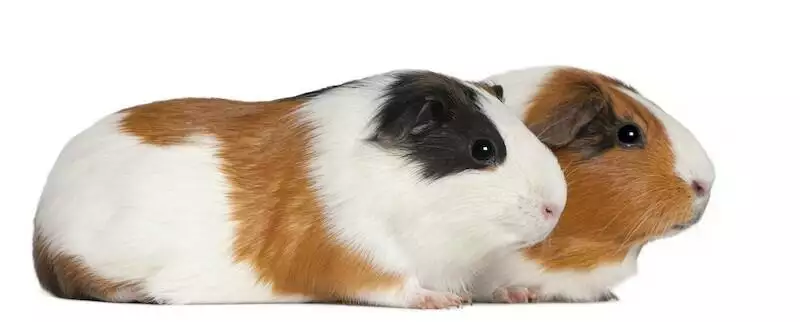
In terms of personality or behaviour, there is not really much difference between the various guinea pig breeds.
So when choosing what breed you want, we would heartily suggest just opting a piggy that you think is the cutest looking!
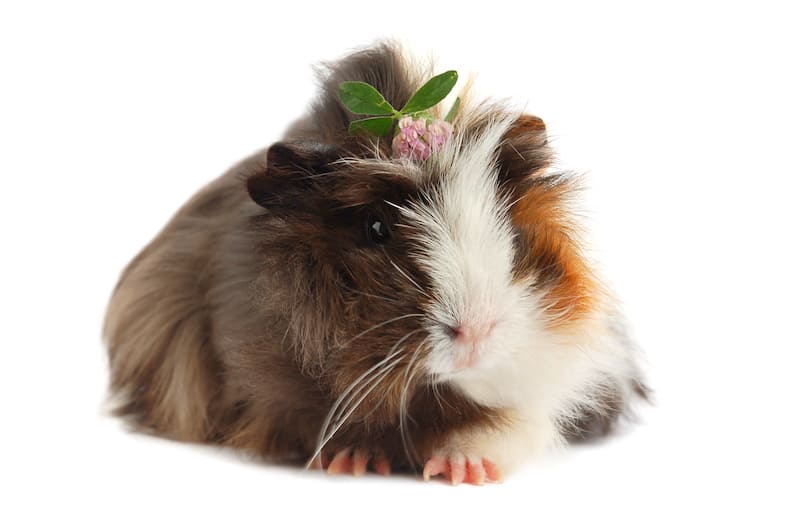
However, be prepared to do more maintenance for pigs with long flowing hair, which can become quickly matted and tangled without regular brushing.
Hairless breeds like Baldwins and Skinny’s also tend not to fare well in sunlight due to the damage it can cause to their unprotected skin, often making them more suitable as an indoor pet!
ENVIRONMENT
Housing
Unfortunately, a hutch in the back garden stuffed full of guinea pigs just isn’t going to cut it when it comes to providing a piggy palace, and without sufficient space and room for stimulation, guinea pigs can develop plenty of behavioural and health problems.
Whether being kept outside or indoors, guinea pigs need an area which is quiet, ventilated, dry and draught-free. Crucially it needs to also be free from hazards such as bad weather conditions, poor temperatures and predators (which might include some of your other pets!)
Outdoor Housing
If outdoors, they need to be placed in a predator-proof hutch, preferably inside a weatherproof shed or structure that can protect it from prevailing winds and keep it out of direct sunlight. It should be raised slightly above ground level to prevent any accumulation of damp.
In the main, the hutch will provide them with a dark, enclosed area for sleeping or hiding in, while they will also need a run attached to the hutch, which will act as a kind of living enclosure to play and explore in.
Both the hutch and run should be large as possible, allowing your guinea pigs to have a space of their own away from their bonding partners should they so wish. As a rule of thumb, a hutch for two should be more than 1.2 m in length and 60 cm in width. The flooring outside should also be preferably grass or concrete to help keep pigs nails short.
Never keep your guinea pig hutch in a garage where vehicles are kept, as the fumes can be fatal!
Indoor Housing
One of the main reasons guinea pigs are kept outside is that they are very sensitive to loud noises, and so you should first ensure they are kept in an indoor environment that is away from loudspeaker systems or television sets.
They should also be kept away from sources of heat such as radiators and out of direct sunlight from sunny windows.
In terms of an enclosure, an indoor guinea pig will still need a living space such as a cage, vivarium or hutch that can provide them with a dark, enclosed spot for sleeping. However, this does not necessarily need a protective roof, as there is no weather or predators to watch out for (providing you’re not letting a dog or cat come and antagonise them!).
They also still need an attached indoor run area to exercise and play in, with solid flooring to help keep their nails short.
Entertainment & Exercise
Guinea Pigs don’t really respond to toys in the same way that a hamster or other rodent might, however, they have been known to enjoy hide-aways, tunnels and tubes.
Creating little obstacle courses in their runs can help keep them entertained and cardboard boxes can provide safe havens to hide in if they feel anxious.
It’s important to at a minimum have a large run for them to play and explore, as guinea pigs are active for 20 hours a day! This means they need plenty of stimulation to prevent boredom.
Bedding Materials
Keeping your guinea pigs comfortable and warm is paramount to their health and happiness and so you need to provide them with plenty of bedding within their sleeping areas.
It’s key that this bedding is absorbent so that it efficiently soaks up urine, and also that it is edible, as should your piggies accidentally chew or nibble on some, we don’t want it to be dangerous!
Popular bedding includes paper products, or more commonly used chipped, shredded, ground or pelleted materials. Try and avoid shredded or chipped softwood materials like pine as the natural chemicals within these types of wood can make guinea pigs ill.
Also never use fluffy bedding, as it can get caught on a pet’s limbs and won’t dissolve properly when eaten, causing digestive issues.
To correctly deck out your piggy shelter, line the bottom of the floor with old newspaper, before applying your chosen bedding. Then cover with lots of dust-free hay for extra warmth and a tasty snack to chew on!
In winter months, it’s crucial that even more bedding than usual is provided to keep guineas nice and toasty.
Temperature & Conditions
Just like any animal, guinea pigs don’t appreciate being very cold and the whole point of stuffing their hutch full of bedding and straw is to regulate the temperature as well as keep them soft and snug.
When temperatures outside drop to below 15°C, you may not be able to sufficiently heat their hutch up with extra bedding alone. Instead, consider moving them into a car-free garage or inside a shed to keep warm.
Temperature is far easier to regulate when you have indoor guinea pigs, as you should know what your room temperature roughly is by consulting your heating system.
17–20°C is the room temperature to aim for, ensuring your enclosure is not placed near to any radiators or heat sources.
Keeping Companions
As guinea pigs are social animals, it’s advised you keep them in at least a pair to prevent them becoming bored or depressed.
But how are you meant to go about choosing more than one new pet?
Well, the recommended pairings are one neutered male with a female or two females.
This is because if males haven’t been brought up as brothers in a litter together, there is a risk of fighting, although if they are both neutered this will be less likely to happen.
Females also generally aren’t ever spayed because it is a much more complicated procedure and so that is why most experts would recommend neutering any male you plan to pair with a female.
If you are introducing a new guinea pig to an existing piggy enclosure, you also need to proceed with a degree of caution.
Preferably, you should introduce guinea pigs to a new space all at the same time so that it is a new experience for all involved.
This is because guinea pigs already living together often form a natural order with some being more dominant than others. If you start introducing a lot of new pigs, it may upset higher ranking pigs should there no longer be enough room to hide, play or isolate away from others.
This can lead to the bullying of new and lower-ranked pigs.
It should also be noted that although guinea pigs and rabbits live in the same kinds of environment and are of similar builds, they should never be kept together. Rabbits can often bully or attack guinea pigs if put in the same enclosure, so we really wouldn’t recommend it!
Cleaning
A guinea pig’s hutch, cage or other form of living space needs to be cleaned regularly to prevent your piggy living in squalor and becoming ill!
You will need to do daily spot cleaning to ensure their enclosures are rid of soiled bedding and faeces and then will need to do a more thorough clean every 4 days.
Thankfully, pigs in large enclosures tend to be intelligent enough to urinate and defecate in one area of their hutch only, meaning the whole area does not become instantly soiled and makes daily cleaning easier.
When it comes to doing a full clean, you’ll obviously need to put your pigs in a safe enclosed area while you get to work. Ideally, you can just let them explore their run!
Then begin removing all of their bedding and hay to dispose of, making sure to hang onto any bedding or hay which is unsoiled.
This is because guinea pigs rely on smell and secretions of scents to communicate and so stripping their environment of their own recognisable scents can stress them out. So holding onto some unspoiled bedding to put back later can help prevent a sudden blitz of scents which might upset your pigs.
Then with a bucket of water and pet-friendly disinfectant, you need to get cleaning! (Don’t use ordinary house-cleaning materials, as these might harm your pet!)
Unfortunately, wooden hutches must be scrubbed with a good quality brush or old toothbrush and require a bit of elbow grease. However plastic cages will only require kitchen paper or a damp cloth. Simply spray the disinfectant around their living enclosure and get scrubbing!
Once you’ve given it your all, rinse off the area with your bucket of water and wait for it to dry.
When you are certain the area is completely dry, you can begin lining the cage and providing fresh bedding and straw, along with a decent helping of the previous week’s old bedding you’d held onto!
Then your little piggies are free to return to their fresh funhouse!
DIET
The ideal guinea pig diet should be based around some hearty helpings of grass hay, leafy veg and guinea pig pellets. It also goes without saying that your little pets will need constant access to clean drinking water, taking care to replace their bottle with fresh water every day.
Guinea pigs are herbivores, meaning they only eat plants, so don’t get any ideas about feeding them any meat products. Hay or grass should make up 80% of their diet, followed by guinea pig pellets and one teacup-sized amount of fresh greens per day.
Safe Fruit & Veg
While fruit and vegetables are obviously great choices of food for a guinea pig, some can cause an upset stomach and other various plants around your garden may actually be harmful.
So that you feel confident in the food you’re providing your piggy, consult this list of safe and suitable fruits and veg:
- Basil
- Broccoli
- Brussel Sprouts
- Cabbage
- Carrots and carrot tops ( high in sugar – moderate intake!)
- Cauliflower leaves and stalks
- Dill
- Kale
- Parsley
- Parsnip
- Radish
- Romaine lettuce
- Rocket
- Asparagus
- Celery
- Spinach
- Watercress
- Chicory
- Cucumber
- Dandelion (only small amounts – laxative qualities)
Essential Vitamin C Foods
Unfortunately, guinea pigs can’t make their own vitamin C, which means we have to help them out by providing some nutrient boosting foods!
Most reliable and efficient guinea pig pellets should advertise this fact on their packaging and will contain a suitable dose of vitamin C. However, be sure to always check the ingredients list and make sure the shelf-life is well in date to account for the fading of nutrient strength over time.
But if you’d prefer your little pipsqueaks to get their boost a little more naturally these foods are particularly rich in the world’s favourite vitamin:
- Asparagus
- Kale
- Spinach
- Asparagus
- Broccoli
- Tomatoes
- Peppers
If you’re worried you’re not supplying them with enough you could also add a pet-friendly vitamin C supplement to their drinking water.
Poo Eating – Is It Normal?
Occasionally you might spot your beloved piggy chowing down on a piece of their own poo, which naturally might make you recoil in horror?
Surely their faeces is dirty and unhealthy, otherwise, why would you have to clean their hutch out so much?!
Well, it turns out that this behaviour is actually totally normal, and strangely, even quite healthy for guinea pigs!
Guinea’s actually produce two types of poo, the hard dry pellet you scoop up during your daily spot clean, and a shiny, smelly pellet known as a caecotroph.
These special poos contain all of the goodness from their high fibre foods, and so when your guinea eats it, they’re simply re-digesting the healthy stuff!
Foods To Avoid
You’d be forgiven for thinking your guinea is fine to eat any fruits or veg you throw its way, but you need to be careful!
As previously stated, piglets are very sensitive creatures, both in personality and stomach, and there are a few foods you definitely shouldn’t feed them if you want to keep their teeth and guts healthy!
Muesli Mixes
Rodent muesli mixes are very popular, however, due to guinea pigs being very selective with their food, they have been known to ignore the healthy high in fibre parts of the mix and instead just opt to eat the bits that are high in sugar. This completely defeats the point of trying to give them a balanced diet and can cause teeth and weight issues in the long run.
Here’s a list of a few other things considered unhealthy or harmful for your little pipsqueak:
- Pickled food
- Crackers
- Pasta
- Chocolate
- Dairy products
- Cereals
- Grains
- Sugary Foods
- Sweets
- Biscuits
- Human foods (i.e bread)
- Rhubarb leaves
- Foxgloves, Daffodils, Lilies, Buttercups
- Mushrooms
- Potato tops
- Onions
- Avocado
- Oak (for chewing)
- Sweet peas
- Garden shrubs
- Nuts
- Seeds
- Dried beans
- Corn
HEALTH
As guinea pigs aren’t the most communicative of creatures, it can be incredibly difficult to spot whether they are suffering from pain or illness.
It’s therefore vital that you get to know your little guinea’s behaviour and can spot when something’s not quite right, as well as understand some of the symptoms you need to be looking out for if you suspect they are ill.
Guinea pigs can fall ill very quickly and so the best practice for preventing them from becoming seriously sick is to check them for illnesses or injury daily.
Common issues include vitamin C deficiency, respiratory issues, swollen or sore feet and UTIs.
Spotting Symptoms & Health Checklist
Watch out for any of these signs of illness on a daily basis to ensure your guinea is happy and healthy:
- Lack of eating or struggling to eat a normal amount
- Wet chin from drooling after eating
- Ensure eyes, ears and nose are free of discharge (normal for white eye discharge to be seen if a pig is grooming itself)
- Sore feet or red patches on the paws
- Incessant scratching of fur, rubbing of ear or shaking of head may indicate mites
- Heavy or laboured breathing, or odd gurgles and noises when respiring.
- Moving with a limp or stiffness
- Coat or skin in bad condition
- Overgrown toenails
- Blood in the urine or lack of urination
- Reduced droppings, or loose stools
- An unusual reduction or increase in their weight
Teeth
The teeth of a piglet never stop growing, which unfortunately means if they are not provided with sufficient food or items for chewing, their gnashers can become overly long.
This can result in a lot of pain and sometimes abscesses. They may also become misaligned or broken which can affect their ability to eat correctly.
Symptoms of teeth issues include lack of eating, dribbling and loss of weight. And of course – big teeth! You can check the size of their front fangs on a weekly basis by gently lifting the lip, but only a vet should observe their back teeth.
If you suspect they have teeth issues, only a vet will be able to correct them, so take them there as soon as possible.
Or you could just avoid dental issues altogether by ensuring your guinea pig eats a healthy balanced diet!
Hair Grooming
If you’ve chosen a guinea with seriously long locks, you’re going to have to regularly groom their coat to prevent it becoming matted and tangled.
Grooming needs to be introduced slowly and positively with patience and rewards as guineas may not naturally take to it.
You should also be aware of what your guinea’s own personal grooming habits are, as if they suddenly change, it may indicate an issue.
Flystrike
Flystrike is a hazard which occurs often in hot weather and is fatal in guinea pigs if contracted.
It occurs when flies become attracted to droppings or stained urine around your pig’s rear area and begin laying their eggs within the skin of your pet.
Ensure in the summer months you observe your pet’s rear end twice a day and clean away any dirt to prevent flystrike from occurring.
When To Go To The Vet
You should seek the help of a veterinary professional as soon as you suspect or notice your guinea pig in pain, ill or suffering.
However, guinea pigs aren’t like every other animal and so seeking veterinary help is not as easy as popping to the local vet surgery.
Make sure you are prepared for the worst and already have your pet registered with a vet who specialises in guinea pigs should they ever become ill.
Updated Guidance (2026)
Guinea pigs are gentle, vocal, and hugely rewarding pets — but their care requirements are more complex than many new owners expect. They have a unique dietary need (Vitamin C), are highly social, and require more space than commonly provided. This guide covers the essentials based on the latest UK welfare guidance and the 2024 Royal Veterinary College (RVC) health study.
The Vitamin C Requirement
Guinea pigs, like humans, cannot produce their own Vitamin C. Deficiency causes scurvy — swollen joints, lethargy, poor coat, weight loss, difficulty walking, and increased infection susceptibility.
- Adults need 10–20mg daily; pregnant guinea pigs need 30–40mg
- Best dietary sources: bell peppers (red and green), parsley, kale, spring greens, pak choi
- Vitamin C in pellets degrades quickly — don’t rely on it as the sole source
- Do NOT add Vitamin C to water — it breaks down rapidly when exposed to light and air
Must Live in Pairs or Groups
Guinea pigs are herd animals and must never be kept alone. Reputable rescues will not rehome a single guinea pig. The best pairing is two neutered males or two females. Bond on neutral territory with multiple hideaways.
Housing
- Minimum cage: 120cm × 60cm for two guinea pigs — but bigger is always better
- Smooth-bottomed (no wire) to prevent bumblefoot
- Added levels do not substitute for floor space — guinea pigs are not climbers
- Indoor housing preferred (temperature control, predator protection, easier interaction)
Diet — 80–90% Hay
- Unlimited Timothy Hay — essential for digestion and dental wear
- Daily cup of Vitamin C-rich fresh vegetables
- Small amount of guinea pig pellets (one eggcup/20g per pig per day)
- Fresh water always available (bottle with sipper tube, changed daily)
FAQs
What are the most common guinea pig health problems?
The 2024 RVC study found that the most common issues in UK guinea pigs are: overgrown nails (affecting over 25% annually — regular trims essential), ringworm (fungal skin infection), eye ulcers (often from hay poking), dental disease (insufficient hay causes tooth overgrowth), respiratory infections (URIs — can be fatal if untreated), and bumblefoot (painful foot sores from wire cage floors or lack of exercise). Most of these are preventable with proper husbandry, diet, and housing.