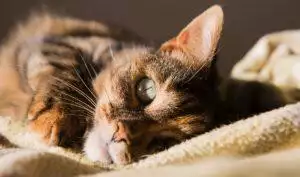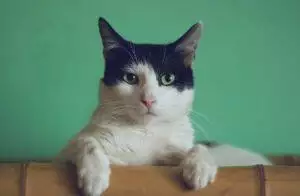
The British Shorthair is the UK’s most popular cat — and for good reason. Their dense, plush “teddy bear” coat, round copper or golden eyes, and calm, dignified temperament make them one of the most visually appealing and temperamentally easy-going cats available. The classic “British Blue” is the most recognised variety, but British Shorthairs come in a remarkable range of colours and patterns. They are robust, independent without being aloof, and form steady, affectionate bonds with their families. They also carry two important genetic health conditions from their breeding history that every prospective owner should understand.
- Quick Facts
- Health — Key Conditions
- •HCM — Hypertrophic Cardiomyopathy
- •PKD — Polycystic Kidney Disease
- •Obesity
- Temperament
- Care & Grooming
- •Grooming
- •Diet and Weight Management
- •Indoor vs Outdoor
- British Shorthair Cost UK 2026
- FAQs
- •Are British Shorthairs really not lap cats?
- •🐱 Food Safety Guides
- • 📚 Related Reading
Quick Facts
| Characteristic | Detail |
|---|---|
| Size | Medium-large (4–8 kg; males larger) |
| Coat | Short, dense, plush — low-maintenance weekly brush |
| Lifespan | 12–20 years — excellent longevity |
| Temperament | Calm, independent, affectionate on their terms — not a typical lap cat |
| Good for families? | Excellent — patient with children, tolerant of other pets |
| Indoor/outdoor? | Thrives indoors; content without outdoor access if enriched |
| Kitten cost (UK 2026) | £900–£2,500 (rare colours up to £3,000) |
Health — Key Conditions
HCM — Hypertrophic Cardiomyopathy
HCM is the most common heart disease in all cats, and British Shorthairs have a known genetic predisposition:
- The heart muscle walls thicken, reducing the heart’s ability to fill and pump blood efficiently
- Can be clinically silent for years — cats may show no symptoms until advanced disease (laboured breathing, lethargy, collapse)
- No DNA test is currently available for HCM in British Shorthairs (unlike Maine Coons, where the gene has been identified)
- Screening: echocardiogram by a veterinary cardiologist — reputable breeders screen breeding cats regularly. Ask for echocardiogram certificates
- Treatment: medication (atenolol, clopidogrel) can manage symptoms and slow progression but cannot cure the condition
PKD — Polycystic Kidney Disease
British Shorthairs carry PKD risk due to historical crossbreeding with Persian cats:
- Fluid-filled cysts develop in the kidneys, growing gradually and eventually leading to kidney failure
- Clinical signs typically appear between 3 and 10 years: increased drinking/urination, weight loss, lethargy, poor appetite
- DNA test available — reputable breeders test all breeding cats for PKD. Ask for certificates showing PKD-negative status
- Management: no cure, but early detection via ultrasound allows supportive treatment (renal diet, fluid therapy) that can extend comfortable life significantly
Obesity
British Shorthairs are naturally low-energy cats who love food — a combination that makes them one of the most obesity-prone breeds. Strict portion control, measured feeding (never free-feeding), and interactive play are essential. An overweight British Shorthair faces joint problems, diabetes, and reduced lifespan. A lean British Shorthair is a healthy British Shorthair.
Temperament
British Shorthairs are the quintessential “easy” pedigree cat — they rarely cause trouble, adapt well to new environments, and don’t demand constant attention:
- Independent but affectionate: British Shorthairs enjoy companionship but don’t need it constantly. They’ll follow you from room to room and sit nearby without demanding to be held
- Not typical lap cats: Most BSHs prefer sitting beside you rather than on you — though individuals vary. They’ll often gently rest a paw on you to stay connected
- Quiet: Generally not vocal; occasional soft meows rather than persistent calling
- Calm with children: Their tolerant, unflappable nature makes them one of the better breeds for families with older children (under 5s need supervision with any cat)
- Good with other pets: Generally adaptable; most accept other cats and cat-friendly dogs with proper introduction
- Matures slowly: Full adult personality and independence emerges between 3–5 years
Care & Grooming
Grooming
The good news: British Shorthair grooming is genuinely low maintenance compared to long-haired breeds:
- Weekly brushing with a rubber grooming glove or soft slicker brush
- Seasonal increase: Daily brushing during spring and autumn moults to manage shedding
- No matting: Unlike Persians, BSH coats don’t tangle — no professional grooming needed
- Regular nail trims and dental care round out the routine
Diet and Weight Management
British Shorthairs have hearty appetites but low activity levels — a combination that makes obesity very common. Obese BSHs are at dramatically increased risk of diabetes, joint problems, hepatic lipidosis, and HCM. Feed measured portions of high-quality, high-protein wet or dry food. Avoid free-feeding (leaving food constantly available). Use puzzle feeders or food-dispensing toys to encourage activity at meal times.
Indoor vs Outdoor
British Shorthairs are well-suited to being fully indoor cats. Their calm temperament and low activity needs mean they don’t pine for outdoor access the way more active breeds do. If they do go outside, ensure the garden is secure — their laid-back nature can make them less road-aware than more cautious breeds.
British Shorthair Cost UK 2026
| Cost | Range |
|---|---|
| Purchase (standard colours — blue, black, white, lilac) | £900–£2,000 |
| Purchase (golden, chinchilla — rarer) | £2,200–£3,000+ |
| Adoption (rescue) | £100–£300 |
| Monthly food (quality wet + dry mix) | £25–£50 |
| Insurance (lifetime cover) | £12–£30/month |
| Annual vet (incl. optional HCM echo) | £200–£500 |
| Annual ongoing costs | £700–£1,800 |
FAQs
Are British Shorthairs really not lap cats?
Generally no — and this is a genuinely important consideration. Most British Shorthairs prefer to sit next to you rather than on you. They are affectionate, follow you between rooms, and enjoy being near their people — but they are typically not clingy or cuddly in the way Ragdolls or Burmese are. If you want a cat that actively seeks lap time and cuddles, a British Shorthair may disappoint. If you want a calm, dignified companion who shows love through quiet presence, they are exceptional.
🐱 Food Safety Guides
Wondering what human foods are safe for your cat? Check our detailed guides: