
The food your puppy eats during their first 12 months lays the biological foundation for the rest of their life. Because puppies are growing so rapidly, their nutritional requirements are significantly different from adult dogs. They need higher calories for energy, higher protein for muscle development, and precise ratios of calcium and phosphorus for healthy bone growth.
Feeding a low-quality puppy food, or feeding an adult diet too early, can lead to permanent developmental issues — especially in large and giant breeds. To help you navigate the crucial first year, we’ve reviewed the best puppy foods available in the UK for 2026 across dry kibble, wet food, and raw diets.
Quick Comparison: Best Puppy Foods UK
| Brand | Type | Best For | Protein % (Dry Matter) |
|---|---|---|---|
| Forthglade Puppy | Wet & Cold Pressed | Overall best natural | ~35% |
| Lily’s Kitchen Puppy | Wet & Extruded Kibble | Premium quality ingredients | ~32% |
| Pooch & Mutt Puppy | Dry (Grain Free) | Sensitive tummies & gut health | ~30% |
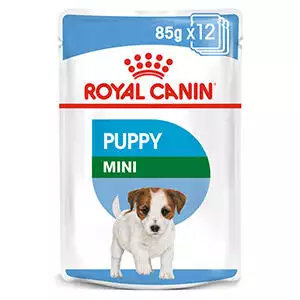
| Royal Canin Size Health | Dry Kibble | Specific breed sizes (Mini/Maxi) | ~30-32% |
| Bella & Duke Puppy | Raw (Frozen) | Raw feeding (BARF diet) | ~45% |
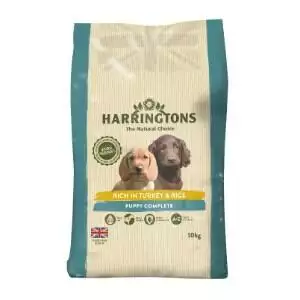
| Harringtons Puppy | Dry Kibble | Best budget/supermarket option | ~28% |
Our Detailed Reviews: Top Picks for 2026
1. Forthglade Puppy — Best Overall Natural Puppy Food
Devon-based Forthglade produces both grain-free wet food trays (with 75% meat) and a remarkably gentle cold-pressed dry food. Cold-pressed food breaks down quickly in the puppy’s stomach, reducing bloating and making nutrients easier to absorb compared to traditional baked kibble.
Why we chose it: It bridges the gap perfectly between the convenience of dry food and the nutrient retention of raw/fresh foods. The ingredients are natural, clearly labelled, and highly digestible for developing guts.
2. Lily’s Kitchen Puppy Recipe — Best Premium Extruded Kibble
Lily’s Kitchen uses exclusively fresh or freshly prepared meat — absolutely no meat meal or rendered animal derivatives. Their puppy recipes include botanical herbs, salmon oil (essential for brain-boosting DHA), and joint care supplements which are crucial during rapid growth phases.
Why we chose it: If you prefer to feed traditional kibble but want the absolute highest quality meat sourcing available, Lily’s Kitchen sets the benchmark.
3. Pooch & Mutt Puppy — Best for Sensitive Stomachs
Puppies are notorious for having delicate stomachs as their gut microbiome develops. Pooch & Mutt’s puppy kibble is naturally hypoallergenic, completely grain-free, and packed with prebiotics (MOS and FOS), probiotics, and chamomile to actively soothe the digestive tract.
Why we chose it: The “Chicken & Superfood” recipe reliably produces firm stools and reduces flatulence — a lifesaver for owners struggling with puppy tummy upsets.
4. Royal Canin Puppy (Size Health Nutrition) — Best Breed-Specific Sizing
A Chihuahua puppy and a Great Dane puppy have vastly different growth trajectories. Royal Canin offers specifically formulated kibbles for X-Small, Mini, Medium, Maxi, and Giant breeds. A Maxi (large breed) puppy food limits calcium to prevent bones growing too fast, avoiding future skeletal disorders.
Why we chose it: While the ingredients list looks less “natural” than boutique brands (using meat isolates for strict nutritional control), the clinical precision of their growth science makes it a favourite recommendation amongst veterinarians.
5. Bella & Duke — Best Raw Puppy Food
If you wish to raise your puppy on a Biologically Appropriate Raw Food (BARF) diet, Bella & Duke offer a RawSAFE certified, perfectly balanced puppy range delivered frozen. The meals contain exactly 80% meat, 10% bone, and 10% offal, blended with seasonal vegetables and oils.
Why we chose it: Raw feeding a puppy requires exact calcium/phosphorus calculations — getting it wrong can cause bone deformities. Bella & Duke takes the mathematical risk out of raw feeding, guaranteeing perfect nutritional balance in every meal.
Puppy Food vs. Adult Food: What’s the Difference?
You should never feed an adult maintenance diet to a growing puppy. Puppy food is fundamentally different in three key ways:
- Higher Calories: Puppies burn twice as many calories per kilogram of body weight as adult dogs. They need energy dense food because their stomach capacity is small.
- Higher Protein: Required for the rapid creation of new tissue, organs, and muscle mass. A quality puppy food should have meat as its first ingredient.
- Controlled Calcium/Phosphorus: Crucial for skeletal development. Adult food simply does not have the correct mineral balance to build a healthy skeleton from scratch.
- DHA / Omega-3: Essential fatty acids required for brain development, cognitive function, and retinal (eye) formation.
Dry Kibble vs. Wet Food for Puppies
There is no “wrong” choice, provided the food is high quality and labelled as “Complete”. Many owners and vets recommend mixed feeding — kibble in the morning for dental health and convenience, and wet food in the evening for hydration and palatability.
If you feed exclusively dry food, ensure your puppy always has access to fresh water, as kibble contains almost zero moisture. If feeding young puppies (8-12 weeks), you may need to soak the kibble in warm water for 10 minutes to soften it while their teeth are still developing.
Puppy Feeding Guide: How Much & How Often?
A puppy’s stomach is tiny, meaning they require multiple small meals throughout the day rather than one large one:
- 8 weeks to 4 months: 3-4 meals per day
- 4 months to 6 months: 3 meals per day
- 6 months to adulthood: 2 meals per day
Always refer to the feeding guidelines on your specific brand’s packaging, as caloric density varies wildly between brands. Weigh the food using kitchen scales rather than guessing with a cup.
When to Switch from Puppy to Adult Food
The transition depends entirely on the breed’s expected adult size. Dogs should switch to adult food when they have reached approximately 80-90% of their fully grown weight:
- Toy/Small breeds (e.g., Pugs, Terriers, Chihuahuas): 9 to 11 months
- Medium breeds (e.g., Spaniels, Border Collies): 12 to 14 months
- Large breeds (e.g., Labradors, German Shepherds): 15 to 18 months
- Giant breeds (e.g., Great Danes, Mastiffs): 18 to 24 months
When you do switch, transition slowly over 7-10 days by gradually mixing the new adult dog food with the old puppy food to prevent diarrhoea.
To give your new puppy the best possible start, explore our New Puppy Checklist and our guide to Basic Puppy Training. If your puppy is chewing everything in sight, check out our recommended puppy teething toys.
🍖 Recommended Puppy Food
We’ve hand-picked these products for you. As an affiliate, we may earn a commission if you purchase through our links, at no extra cost to you.