
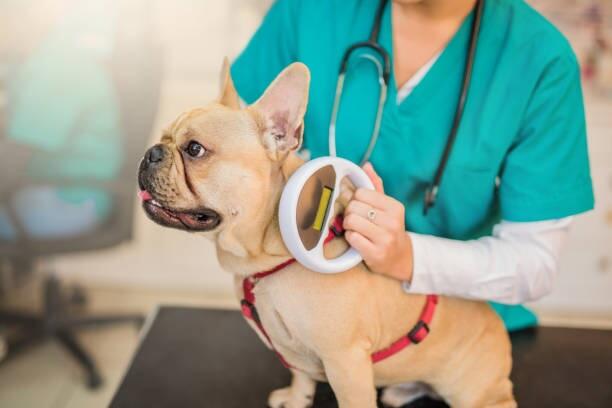
With UK law now requiring microchipping for both dogs (since 2016) and cats (since June 2024), a reliable pet microchip scanner is an invaluable tool — whether you’re a vet, rescue worker, dog warden, or pet owner who wants to check their animal’s chip is still readable. In this 2026 guide, we compare the best universal microchip readers available in the UK, covering compatibility, accuracy, and price.
Best Microchip Scanners Compared
| Scanner | Reads | Storage | Battery | Best For | Price |
|---|---|---|---|---|---|
| Halo Scanner | ISO 15-digit + 10-digit | N/A (display) | USB rechargeable | Best overall | £45-56 |
| PetScanner | ISO standard | App-linked | Rechargeable | Best budget | £10-30 |
| Tera Pet Reader | EMID + FDX-B | 64 tags | Rechargeable | Best mid-range | £25-35 |
| FlipScan | All ISO | N/A (display) | USB rechargeable | Most portable | £35-42 |
| Smoostart Scanner | FDX-B + EMID | 128+ records | 1 year battery | Best value | £20-30 |
Understanding Microchip Types
Before choosing a scanner, it helps to understand the chip standards used in the UK:
- ISO 11784/11785 FDX-B (15-digit) — The current UK standard. All chips implanted since the mid-2000s use this format. Any good scanner reads these.
- FDX-A (10-digit) — An older format. Some pre-2005 chips use this. Not all budget scanners can read these.
- EMID — Used in some older or imported animals. Compatibility varies.
A truly “universal” scanner reads all three types — essential for shelters and vets who encounter animals from various backgrounds.
Top Microchip Scanner Reviews
1. Halo Microchip Scanner — Best Overall
The Halo is the most recommended scanner by UK vets and rescue charities. It reads both 15-digit ISO and 10-digit FDX-A chips, making it genuinely universal. The standout feature is Scanner Angel — when you scan a chip, the Halo connects (via smartphone app) to a database and alerts you if the pet is listed as missing. The USB-rechargeable battery lasts hundreds of scans. Compact, robust, and accurate at reading through dense fur. At £45-56, it’s a professional-quality tool at a consumer price.
2. PetScanner — Best Budget
PetScanner offers the most affordable entry point at just £10-30 depending on model. It reads standard ISO chips and connects to a smartphone app that links the scanned number to the appropriate database. Ideal for pet owners who want to verify their animal’s chip is readable, or for neighbourhood cat feeders checking stray cats. The app functionality adds significant value over display-only scanners at this price point.
3. FlipScan — Most Portable
The pocket-sized FlipScan is smaller than a USB stick and reads all ISO-compliant pet microchips. Its bright OLED screen displays the chip number clearly, and the internal battery recharges quickly via USB. At £35-42, it’s perfectly positioned between budget and premium options. Ideal for dog wardens, pet sitters, or anyone who needs a scanner that fits in a pocket.
UK Microchipping Law (2024-2026)
| Animal | Required Since | Age Requirement | Penalty |
|---|---|---|---|
| Dogs | April 2016 | 8 weeks old | £500 fine |
| Cats | June 2024 | 20 weeks old | £500 fine |
| Horses | October 2020 | Before first breeding | Varies |
All microchips must be registered on a Defra-compliant database. If you move house, change phone number, or your pet changes owner, the database record must be updated — this is the most common reason lost pets aren’t reunited with owners. Your microchip scanner can verify the chip number, which you can then check on services like Check a Chip (checkachipmicrochip.com).
FAQs
Can I scan my pet’s microchip at home?
Yes. Home microchip scanners are widely available in the UK from £10 upwards. Simply turn on the scanner and slowly pass it over your pet’s shoulder area (between the shoulder blades for dogs and cats). The scanner will beep and display the chip number when detected. This is useful for verifying the chip is still readable — vets recommend checking annually.
Do I need a universal scanner?
For pet owners, a standard ISO FDX-B scanner is sufficient — virtually all UK pets have this chip type. For vets, shelters, and rescues, a universal scanner that also reads FDX-A and EMID is important, as you may encounter older or imported animals with non-standard chips.
What happens if a microchip can’t be read?
Microchips can occasionally migrate from their original position (between the shoulder blades) to a leg, chest, or side. If a scanner doesn’t detect a chip immediately, scan the entire body systematically. If still unreadable, consult your vet — the chip may have stopped working (rare but possible), in which case a new chip can be implanted alongside the old one.